





Most people run from their past. They shove old memories into a box and slam the lid shut. But what if I told you that digging into those moments could make you tougher and smarter? Thinking about your past isn’t about wallowing in regret. It’s like reviewing game footage to spot your strengths and fix your weak spots. This builds real personal growth. In this article, we’ll explore how to turn rumination into smart reflection. You’ll learn to analyze failures for grit, pull confidence from wins, improve relationships, and plan your future self. By the end, you’ll see why looking back propels you forward.
Understanding the Difference Between Rumination and Reflection
People often mix up dwelling on the past with learning from it. One drags you down. The other lifts you up. Knowing the gap helps you choose reflection to build a stronger you.
The Trap of Ruminative Thinking
Rumination means chewing over bad thoughts without moving on. You replay a fight or a flop in your head, again and again. This habit ties to higher anxiety and even depression, studies show. For example, folks who ruminate a lot report 30% more stress daily. It feels like quicksand— the more you sink in, the harder it gets to climb out. Your brain stays stuck on pain, not progress.
Reflection as an Active Learning Tool
Reflection flips the script. It’s when you pick apart what happened to find clear lessons. You ask: What went wrong? What can I change next time? This shifts your thinking from blame to brains. It’s a tool for growth, not grief. Try it after a tough day— jot down one key takeaway. Over time, this builds habits that make you more adaptable.
The Neuroscience of Learning from Experience
Your brain loves to learn from what you’ve lived. The prefrontal cortex handles this, linking old memories to new plans. Emotional events stick better, helping memory consolidation. Research from places like Harvard points out that talking or writing about past stuff strengthens neural paths. This isn’t magic. It’s your mind wiring itself for better choices. When you reflect, you turn raw experience into sharp insight.

Analyzing Past Failures: The Foundation of True Grit
Failures sting. But they hold gold if you break them down right. Thinking about your past mistakes isn’t punishment. It’s practice for building unbreakable grit.
Deconstructing Mistakes for Skill Enhancement
Treat errors like puzzles. Step back and list what led to the mess. Was it poor prep or bad timing? This turns a loss into a lesson plan. One tip: Do a quick post-mortem after any big setback. Write three facts— what happened, why, and how to tweak it. Pros in sports and business swear by this. It sharpens skills without the shame.
Case Studies in Learning from Setbacks
Look at Thomas Edison. He bombed over 1,000 times before the light bulb worked. Each flop showed him what not to do. Or take Airbnb’s founders. They nearly quit after early rejections but studied user feedback to pivot. These stories prove failure fuels success. In tech, 90% of startups fail first time, yet founders who review those hits often nail it later. Your past flops? They’re your secret edge.
Cultivating a Growth Mindset Through Past Performance Review
Carol Dweck’s idea of a growth mindset fits here. It’s believing skills grow with effort, not just talent. Review your past to spot where hard work paid off. Adjust strategies based on real data from your life. This mindset cuts self-doubt. Ask yourself: How did past tries shape my skills? Over weeks, you’ll feel that shift. Reflection on performance builds a mind ready for anything.

Leveraging Past Successes for Future Confidence
Wins matter too. They aren’t just happy memories. Digging into them boosts your belief in yourself. Why thinking about your past successes shapes a bolder future?
Identifying Patterns of High Performance
Scan your victories for clues. What habits kicked in? Strong focus? Good teamwork? Spot those patterns to recreate them. It’s like a recipe for wins. Keep a simple list: Date, win, key actions. Review it monthly. This blueprint turns luck into repeatable results.
The Psychology of Self-Efficacy Through Historical Evidence
Self-efficacy means trusting your ability to succeed. Past proofs stack the deck against doubt. Recall that project you aced— feel the win again. Psychologists like Albert Bandura say this builds inner strength. Tip: Start a “win jar.” Drop notes on achievements inside. Pull one out on rough days. It grounds you in facts, not fears.
Harvesting Emotional Fuel from Milestones
Past highs spark joy you can reuse. Remember the rush of landing that job? Replay it to fuel tough spots now. This emotional boost keeps motivation high. It’s not fake positivity. It’s real fire from your history. Use it to push through slumps.

Integrating Past Relationships into Current Interpersonal Skills
People shape us. Good and bad ties teach volumes. Reflect on them to level up how you connect today.
Learning Relational Boundaries from Past Conflicts
Fights reveal limits. Think of a time someone crossed your line. What need went unmet? Use that to set clearer rules now. Say no early to bad vibes. This cuts drama and builds respect. Boundaries from past pain make bonds stronger.
Identifying Positive Relationship Models
Spot what worked in old friendships or work ties. Was it honest talk? Shared laughs? Chase those traits in new circles. Reflect: Who lifted me up? Why? This guides you to pick better people. Healthy models from your past light the way forward.
The Concept of Emotional Debt Repayment
Owning past hurts frees you. Reflect on a wrong you did— apologize if it fits. Or just change the pattern. This clears old baggage. It mends ties and stops repeats. Pay that debt, and your current links thrive.

Strategic Application: Using the Past to Design the Future Self
Now, put it all to work. Your history is data for tomorrow’s you. Make it count.
Creating a Personal “Lesson Log”
Start simple. Grab a notebook or app. After big events, note: What? So what? Now what? Review every few months. Add wins and losses. This log turns scattered thoughts into solid wisdom. Keep it short— one page per entry.
Future-Pacing Based on Historical Data
Look back to look ahead. Past challenges predict bumps. Plan fixes now. Say you’re eyeing a career switch. Recall old job stress— prep communication skills. This cuts surprises. Use your story to script success.
Expert Perspective: The Role of Narrative Identity
Dan McAdams talks narrative identity. It’s weaving your life into one story. Past bits fit into a bigger picture of growth. This brings purpose and calm. Studies link it to less stress and more drive. Craft your tale: Hero faces trials, learns, wins. Reflection builds that arc.
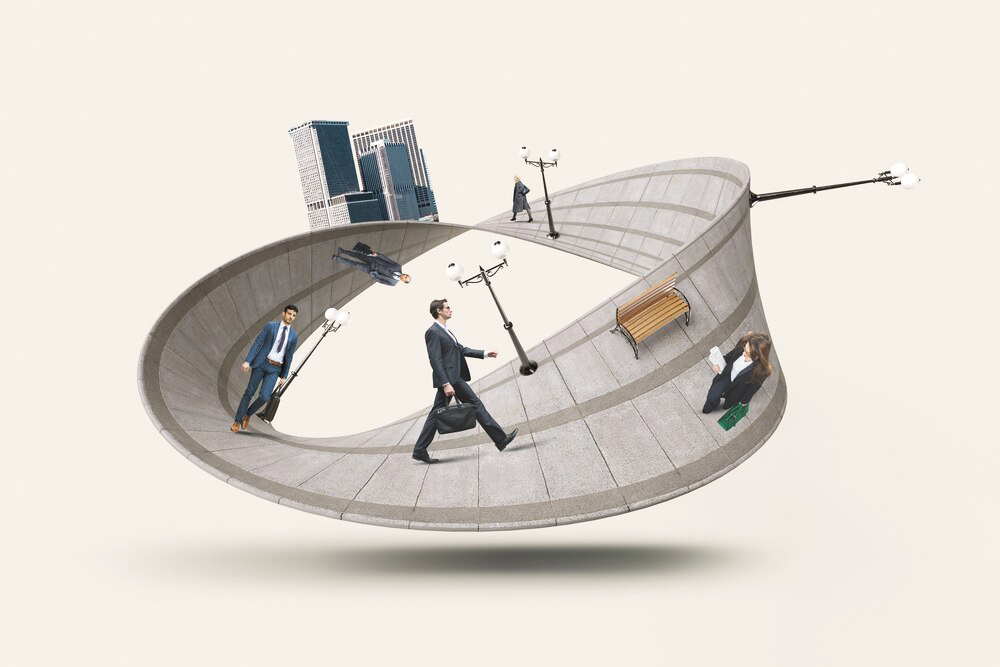
Conclusion: Forging Strength Through Conscious Recall
Thinking about your past forges a stronger you. Reflection pulls lessons from failures and fuels from successes. It sharpens relationships and plans your path. Don’t dodge history— master it.
- Shift from rumination to active review for real growth.
- Break down flops to build grit and a growth mindset.
- Replay wins to boost confidence and motivation.
- Use past ties to set boundaries and seek positives.
- Log lessons and pace your future with old data.
Start today. Pick one memory. Reflect. Watch yourself grow. Your stronger self waits.
Also read: Stress & Resilience – Build resilience and learn to cope with stress in a healthy way.
Discover more from NoseyPepper
Subscribe to get the latest posts sent to your email.












Pingback : The Century Slump: Why Boredom Hits Hard After 100 Years of Life | NoseyPepper