




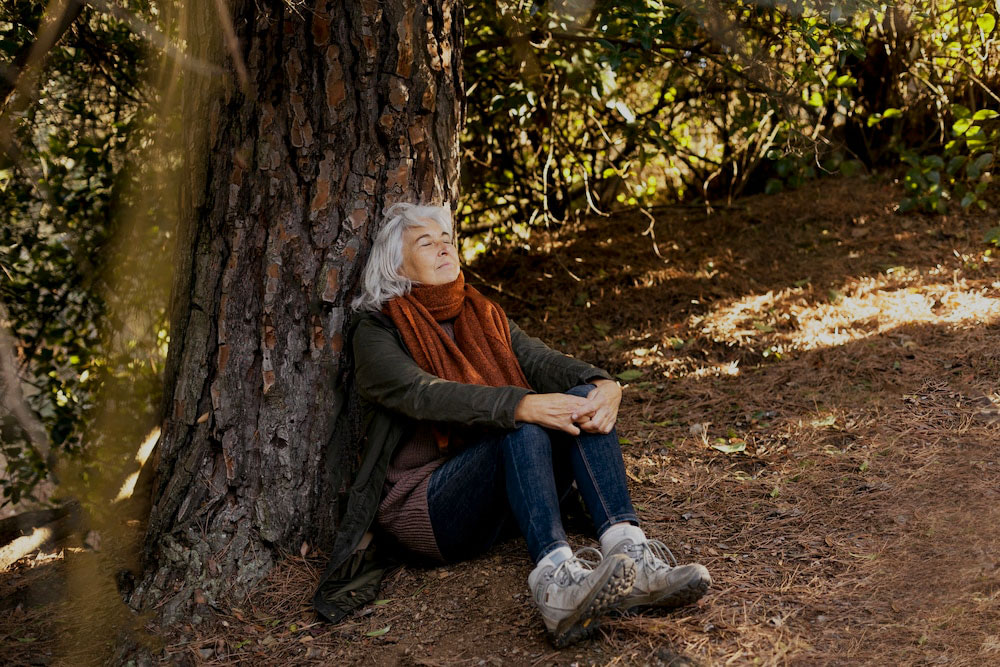
Imagine reaching your 100th birthday party. Balloons float, family cheers, but deep down, a quiet ache sets in. You’ve outlived dreams that once lit up your days. What happens when life stretches so long that even the biggest wins feel like echoes from another time?
We live longer now. Medical advances push average lifespans past 80 in many places. By 2050, experts predict one in five people in developed countries will hit 100. This centenarian boom sounds great at first. Yet it brings a hidden trap: boredom after 100 years. The thrill of new chapters fades, leaving folks stuck in a loop of sameness. This article digs into why that happens and how to fight back.
The Shifting Landscape of Life Goals Post-Centennial
Life after 100 flips the script on what matters. You chase kids, jobs, and homes for decades. Then, suddenly, those boxes sit checked. The drive that pushed you forward? It sputters out.
Redefining Purpose When Milestones Vanish
Society paints life in clear stages. You build a career in your 20s and 30s. Raise a family next. Retire and relax later. But at 100, retirement lasts longer than most work lives. What fills the void when kids have grandkids of their own?
This leads to goal depletion. Major aims wrap up, leaving daily tasks that feel empty. One study from the Journal of Gerontology notes that people over 90 report less purpose without fresh targets. To fix this, you might set small, wild goals. Like learning to paint or starting a garden from scratch. These keep the spark alive when big milestones fade.
Think of it like a road trip that ends too soon. You’ve arrived, but the map’s blank. Redefine purpose by picking paths no one expected.
The Velocity of Time: Perception in Extreme Age
Time flies as you age. Days blur into weeks. Psychologists say it’s because new memories pack less punch. When you’re young, every event stands out. At 100, routines make hours slip by unnoticed.
Research from William James in the 1800s backs this. He noted time feels faster with fewer novel events. For centenarians, this speeds up the clock even more. Boredom after 100 years creeps in as life flattens. Everything seems to repeat.
To slow it down, chase fresh sights. Travel to a nearby town you’ve skipped. Or try a hobby that bends your brain. These moments etch deeper, stretching time back to a crawl.

Psychological Resilience vs. Existential Fatigue
Your mind fights to stay sharp past 100. But old habits dig in like roots. They block new joys and breed that heavy boredom. Existential fatigue hits when nothing surprises you anymore.
Combating Cognitive Rigidity
Routines turn comfy fast. You eat the same breakfast, watch the same shows. Soon, they wall off adventure. This rigidity spikes boredom in long lives.
Break it with planned changes. Set aside one hour a week for something odd. Cook a dish from another country. Walk a new route home. Experts at the American Psychological Association say these shifts build mental flexibility.
One 95-year-old I read about switched to chess after years of checkers. It woke her brain. You can do the same. Start small to dodge the slump.
The Weight of Cumulative Memory
You’ve seen wars end, tech boom, and fashions cycle twice. At 100, history feels like a rerun. Current news? It echoes the past, making today pale.
Centenarians often share this in interviews. Jeanne Calment, who lived to 122, called modern life “much the same” as her youth. This load of memories weighs down excitement. Events lose shine when you’ve witnessed their twins.
Yet, you can reframe it. Journal how today’s twists differ from old ones. This turns memory into a tool, not a chain. Boredom loses grip when you spot the unique threads.

The Social Disconnect: Isolation in the Long Lived
Friends fade away. Family moves on. At 100, loneliness bites deep. It teams up with boredom to make days drag.
Navigating Loss and Changing Social Circles
Loss stacks up over a century. Spouses go first, then peers. By 100, most in your age group are gone. A AARP report shows 43% of those over 85 feel isolated often.
This constant goodbye erodes bonds. Without chats that match your stories, life quiets. Boredom after 100 years grows in that silence. You miss the give-and-take that sparks ideas.
Join groups for the very old. Or call a distant cousin weekly. These steps ease the ache and fill quiet hours.
Bridging Generational Gaps for Engagement
Kids become adults, then elders themselves pass. You’re left talking to great-grandkids who see phones as toys. Gaps widen, cutting off fun exchanges.
Close them with intent. Mentor at a school once a month. Share tales from your era. Programs like Experience Corps pair seniors with youth for reading help. It works wonders.
One grandma I know teaches TikTok dances to her teens. Laughter flows, and boredom flees. You build ties that refresh both sides. Try it—pick one activity to link worlds.

Strategies for Perpetual Novelty and Growth
Boredom signals your brain craves more. At any age, but especially after 100, you must hunt new thrills. Growth keeps the fire burning.
The Neuroplasticity Imperative
Brains change with use. Neuroplasticity means you can wire fresh paths even at 100. Skip novelty, and stagnation sets in.
Pick tough skills to master. Dive into a language app for Spanish. Or tackle piano keys. A study in Nature Neuroscience found older adults who learn instruments boost brain connections.
Start with 15 minutes daily. Build up. This fights boredom head-on. Your mind thanks you with sharper focus and joy.
Curating Meaning Through Legacy Projects
Stop chasing personal highs. Give back instead. Legacy projects pull you outward, creating purpose that lasts.
Write your life story for the family shelf. Or fund small scholarships from savings. Dig into family trees with online tools. These tasks unfold over years, dodging the empty feel.
Take Norman Lear, the TV producer who hit 100 in 2022. He kept busy with scripts and causes. You can too. Pick a project that echoes your values. It turns time into treasure.

Conclusion: Engineering Engagement for the Extended Century
Long life past 100 brings gifts, but boredom lurks if you let it. We’ve seen how goals shift, time warps, minds rigidify, and ties fray. The fix? You engineer your days with care. Boredom after 100 years isn’t fate—it’s a call to act.
Proactive steps beat the slump. Chase novelty, mend social rifts, and build legacies. Life stays rich when you steer it that way.
- Prioritize structured novelty to combat cognitive rigidity.
- Actively bridge social gaps to maintain purpose.
- Shift focus from personal accumulation to external contribution.
Ready to beat the century slump? Pick one tip today. Start small, and watch your world light up again.
Also Read: Living with Purpose: Embracing Your Mission in Life
Discover more from NoseyPepper
Subscribe to get the latest posts sent to your email.










Recent Comments