

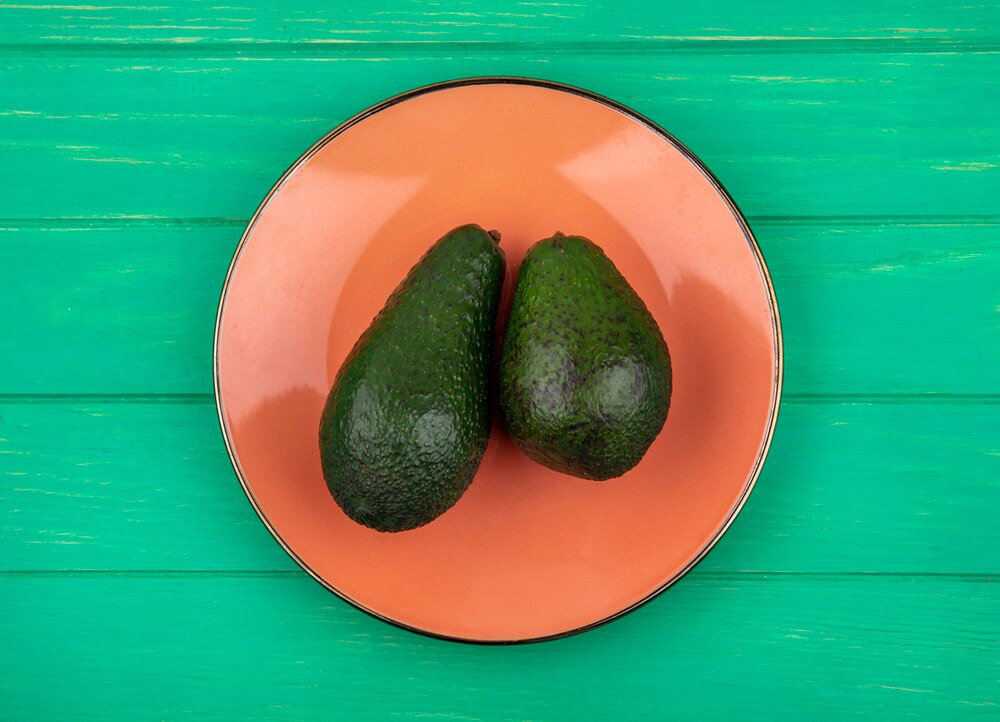
Did you know that nearly 40% of adults over 40 deal with high cholesterol levels? This silent threat raises heart disease risk without clear signs. But here’s good news: avocados can help. These green gems offer a tasty way to fight bad cholesterol, known as LDL. Over time, adding them to your meals leads to real changes in your lipid profile. We’ll explore how avocados lower bad cholesterol through smart nutrients. First, let’s clarify the basics. LDL, or low-density lipoprotein, is the “bad” type that clogs arteries. HDL, or high-density lipoprotein, is the “good” kind that clears it out. Avocados target LDL while boosting HDL support.
Understanding Cholesterol: Why LDL Matters Most
The Vicious Cycle of High LDL
High LDL cholesterol builds up plaque in your arteries. This sticky mix of fats, cholesterol, and other stuff narrows blood flow. Over time, it stiffens vessels and raises heart attack or stroke odds. Experts say plaque forms when LDL particles stick to artery walls. This damage starts small but grows if unchecked. Avocados break this cycle by cutting LDL over months.
HDL vs. LDL: The Crucial Balance
HDL acts like a cleanup crew. It grabs extra cholesterol and takes it to the liver for removal. LDL, on the other hand, drops off cholesterol where it’s not needed. Too much LDL tips the scale toward harm. Avocados help by lowering LDL. They also aid HDL function for better balance.
Diet’s Dominant Role in Lipid Profiles
What you eat shapes your cholesterol numbers. Saturated fats from red meat or fried foods spike LDL. Trans fats do even worse. Switch to healthy options, and levels drop. Avocados fit right in with their good fats. Studies link this swap to lower bad cholesterol. It’s a simple diet tweak with big payoff.

The Monounsaturated Fat Miracle: Oleic Acid and LDL Reduction
Identifying the Key Player: Monounsaturated Fatty Acids (MUFAs)
Oleic acid leads the charge in avocados. This MUFA makes up most of the fruit’s fat content. It replaces bad fats in your diet. When you eat less butter and more avocado, LDL falls. Research from the American Heart Association backs this. One study showed a 10% LDL drop after swapping fats for MUFAs over weeks.
How MUFAs Impact LDL Receptors
Your liver has LDL receptors that grab and remove bad cholesterol. MUFAs boost these receptors’ work. They make the liver pull more LDL from blood. This process builds over time. Eat avocados daily, and receptors stay active. Result? Steady LDL reduction without drugs.
Comparing Avocado Fat to Other Fats
Avocados pack about 15 grams of fat per fruit. Most is MUFA, unlike butter’s saturated load. Red meat often hits 10 grams saturated per serving. Guidelines from health groups push MUFAs over those. One avocado beats a pat of butter for heart health. It’s a smart choice to lower bad cholesterol naturally.
- Butter: High in saturated fats that raise LDL.
- Avocado: Rich in MUFAs that cut it down.
- Red meat: Often loaded with both bad types.

Fiber Content: The Unsung Hero of Cholesterol Management
Soluble vs. Insoluble Fiber in Avocados
Avocados offer both fiber types. Soluble fiber dissolves in water to form a gel. Insoluble adds bulk to help digestion. Soluble takes the spotlight for cholesterol control. One avocado gives about 7 grams of fiber total. That’s mostly soluble, perfect for LDL fights.
The Mechanism of Cholesterol Binding
Soluble fiber traps bile in your gut. Bile comes from cholesterol to digest fats. When fiber binds it, your body makes new bile. It pulls LDL from blood to do so. This lowers circulating bad cholesterol. Over days, this adds up. Eat fiber-rich foods like avocados, and see the drop.
Integrating Avocados for Optimal Daily Fiber Intake
Aim for 25 to 30 grams of fiber each day. Women need 25 grams; men hit 30. One avocado covers nearly a quarter of that. Add it to salads or smoothies. Pair with oats for more soluble punch. Track your intake to hit goals. This habit supports long-term LDL lowering.
Beyond Fats and Fiber: Vitamins and Phytosterols Synergy
Phytosterols: The Plant Sterol Advantage
Phytosterols in avocados look like cholesterol. They block its absorption in the intestines. Less cholesterol enters your blood. Avocados have about 75 milligrams per fruit. That’s enough to cut absorption by 10%. Studies confirm this helps lower overall LDL levels.
Potassium and Magnesium: Supporting Vascular Health
Potassium in avocados, around 700 milligrams per fruit, eases blood pressure. High pressure worsens cholesterol damage. Magnesium, at 30 milligrams, relaxes vessel walls. Together, they protect arteries. Not direct LDL cutters, but they reduce heart risks tied to high bad cholesterol.
Antioxidants and Anti-Inflammatory Effects
Vitamin E in avocados fights LDL oxidation. Oxidized LDL sticks to walls easier. Antioxidants stop that step. This keeps plaque from forming. Avocados also curb inflammation. Swollen arteries invite more trouble. These perks add to the fruit’s cholesterol-lowering power.
Building a Sustainable Avocado Habit: Actionable Strategies
Recommended Intake for Cardiovascular Benefits
Eat half to one avocado daily. Trials show this amount cuts LDL by 5-10% in three months. Start small if new to it. Track changes with doctor visits. Consistency matters most. Over six months, benefits grow clearer.
Creative Culinary Swaps for Maximum Impact
Ditch mayo for avocado in sandwiches. Mash it for creaminess. Spread on toast instead of butter. Blend into dressings for salads. Use in baking to replace oil. These swaps cut saturated fats. Try avocado toast with eggs for breakfast. Or guac with veggies for snacks.
- Sandwich spread: Avocado over mayo.
- Toast topper: Skip butter, go green.
- Salad boost: Puree for dressing base.
- Baking hack: Sub for half the oil.
What to Look For: Selecting and Storing Ripe Avocados
Pick firm ones with slight give when pressed. Avoid mushy or bruised fruit. Dark skin signals ripeness for Hass types. Store at room temp until ready. Then fridge for days. Cut ones last two days wrapped tight. This keeps them fresh for your routine.

Conclusion: Sustained Consumption Equals Lasting Lipid Improvement
Avocados lower bad cholesterol through key players. MUFAs like oleic acid swap out harmful fats and boost liver clearance. Soluble fiber binds bile to pull LDL from blood. Phytosterols block new cholesterol entry. Add vitamins and minerals for full heart support. These work best with steady use. Isolated bites won’t cut it; daily habits do. Make avocados your go-to for months. You’ll gain control over LDL and heart health. Start today—your arteries will thank you.
Also Read: The Rise of Fungi Protein: A Sustainable Alternative to Animal-based Proteins
Discover more from NoseyPepper
Subscribe to get the latest posts sent to your email.