




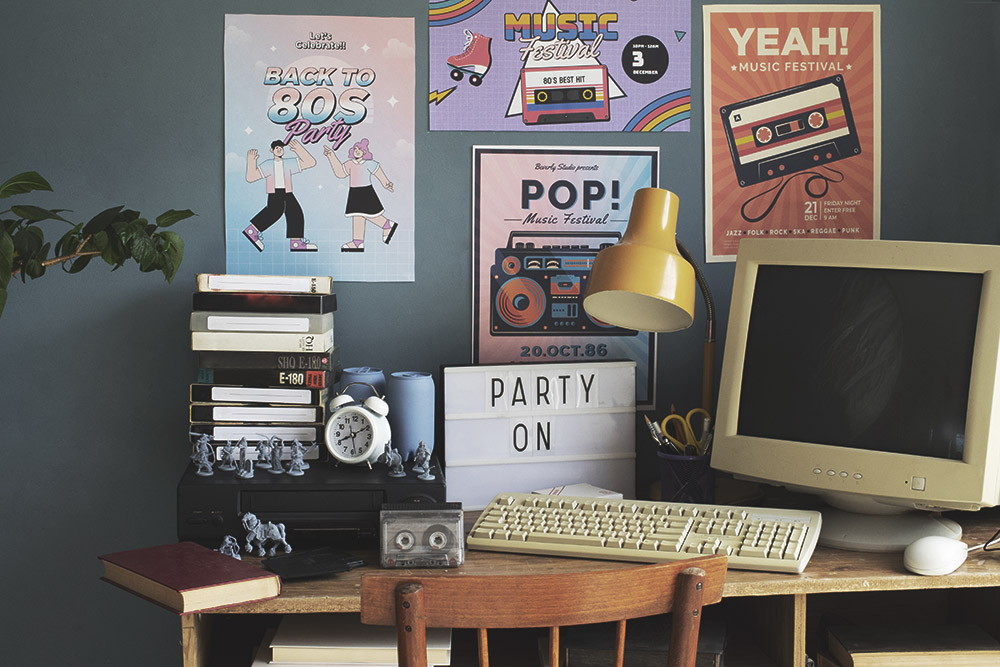
Picture this: neon lights flashing everywhere, kids riding bikes without helmets, and families glued to boxy TVs. The 1980s felt like a wild mix of big hair, bigger dreams, and that constant buzz from the Cold War. Born in 1985, I grew up on the edge of change, right as the world shifted from tapes and typewriters to something new.
This decade marked the end of simple times. It was the last gasp of analog life before computers took over. In this piece, you’ll discover 10 surprising facts from my birth year that capture that magic. Whether you’re chasing old memories or just digging into 80s trivia, these bits will pull you back in time.
The Soundtrack of the Era: Music and Media Defining 1980s Births
Music in the 1980s hit different. It blasted from boomboxes and defined whole moods. My birth year brought hits that still echo today.
The Rise of the Music Video Phenomenon
MTV launched in 1981, but by 1985, it ruled airwaves. Videos turned songs into mini-movies, pulling in millions. Madonna’s “Like a Virgin” video dropped that year, with her cone bra shocking viewers.
This shift changed how we heard music. No more just radio—now we saw the stars. Michael Jackson’s “Thriller” video from ’83 still influenced 85’s trends, but new acts like Wham! kept the energy high. Fun fact: MTV played its first video in ’81, but by my birth year, it aired 24/7, shaping teen culture.
Keywords like 1980s music trends tie right in here. Videos boosted sales—Madonna’s album sold over 21 million copies worldwide. It made pop visual and bold.
Blockbuster Hits and Cinematic Shifts
Movies in 1985 packed theaters. “Back to the Future” premiered that summer, with Marty McFly’s DeLorean stealing hearts. It grossed $381 million, a huge win back then.
Another hit: “The Goonies,” full of kid adventures and treasure hunts. These films mixed laughs with heart, defining 80s fun. Cocoon brought sci-fi charm, earning $76 million and Oscars for effects.
Pop culture soaked up lines like “Great Scott!” from Back to the Future. Box office data shows 1985 films earned over $1.5 billion total. They sparked trends, from hoverboards to ghost stories.

Technological Milestones That Shaped the Future
Tech in the 80s started small but grew fast. Home gadgets made life exciting. My birth year saw tools that hinted at tomorrow.
The Dawn of Personal Computing Accessibility
The Commodore 64 ruled homes by 1985, with over 12 million sold by decade’s end. It brought games and basic programs to families. Microsoft released Windows 1.0 that November, a clunky start to what we know now.
Steve Jobs once said personal computers would change everything—spot on. By 1985, about 8% of U.S. homes had one, up from zero a few years prior. Kids like me learned BASIC coding on these machines.
This opened doors. It let hobbyists create, paving the way for apps today. Fun fact: The Commodore 64’s sales beat Apple’s early models, making tech reachable for average folks.
The Birth of Portable Entertainment
Sony’s Walkman, out since 1979, peaked in 1985. Over 200 million units sold lifetime, but that year saw mixtape fever. It let you carry tunes anywhere, ditching big stereos.
Portable gaming kicked off too, with Nintendo’s Game Boy in ’89, but 85 had early handhelds like Milton Bradley’s Vectrex fading out. The Walkman shifted habits—you listened alone, zoning out on buses.
Think of it like today’s AirPods; it started that personal bubble. Fun fact: Walkman sales hit 50,000 a month by mid-1980s, turning music into a solo adventure.

Global Politics and Cultural Touchstones
The world felt tense yet hopeful in 1985. Big events shaped news. Fashion added color to it all.
Defining Moments in Geopolitics
Live Aid rocked the planet on July 13, 1985—two concerts for African famine relief. Over 1.5 billion watched, raising $127 million. It united stars like Queen and U2.
The Cold War simmered; Gorbachev took Soviet power in March, hinting at glasnost. No major treaties that year, but U.S.-Soviet talks warmed up. Fun fact: Live Aid’s “We Are the World” single sold 20 million copies, boosting global aid awareness.
These moments dominated headlines. They showed music’s power in tough times. Keywords like 1980s world events fit perfect here.
The Fashion and Aesthetics of the Decade
80s style screamed loud. Shoulder pads puffed up jackets, making everyone look tough. Acid-wash jeans flew off shelves—Levi’s sold millions in 1985 alone.
Bright colors ruled: hot pink leggings with leg warmers, thanks to Flashdance vibes. Men rocked mullets and Members Only jackets. Fun fact: Aerobics wear surged; sales jumped 300% from early 80s, blending sport and street.
Retail data backs it—denim trends added $2 billion to U.S. clothing sales. It was fun, over-the-top, and totally 80s.

Pop Culture Quirks and Novelties
Quirks made the 80s pop. Toys and TV kept kids hooked. These bits still spark joy.
The Toy Revolution: From Simple Play to Collectibles
Transformers launched big in 1984, but 1985 saw more figures hit stores. Hasbro sold over $100 million worth that year. Marketing used cartoons to build hype.
Kids lined up for Optimus Prime, waiting hours at Toys “R” Us. Fun fact: Cabbage Patch Kids caused Christmas riots in ’83, but by ’85, adoptions (that’s what they called buying) topped 2 million.
Board games like Trivial Pursuit boomed too, with 80s editions full of decade trivia. It turned play into obsession, starting collector culture.
The Television Landscape: Sitcoms and Saturday Mornings
TV had just a few channels, but gems shone. The Cosby Show topped ratings in 1985, with 30 million viewers per episode. It brought family laughs to living rooms.
Saturday mornings meant cartoons—Transformers and G.I. Joe debuted animated series that year. No streaming; you waited for schedules. Fun fact: The A-Team ran strong, with Mr. T’s “I pity the fool” becoming a catchphrase.
Compared to now’s endless options, it felt special. Primetime soaps like Dynasty added drama, pulling in 50 million for finales.

Economics and Daily Life Realities
Life cost less, but felt full. Dollars stretched far. No internet meant real connections.
Price Points: How Far Did a Dollar Go?
Gas averaged $1.12 per gallon in 1985—fill up for under $10. A loaf of bread cost 70 cents; new Ford cost about $9,000.
Using CPI data, $1 then equals $2.70 today. Movie ticket? Just $2.75. Fun fact: Average home price sat at $82,800, making buying seem doable for many.
These numbers show simpler buys. Milk was $2.20 a gallon; it grounds the era’s feel.
The Analog Existence: Life Without the Internet
News came from papers or evening broadcasts—flip on Walter Cronkite for updates. Plans? Call from payphones, quarters ready.
No texts; letters or notes ruled. TV schedules meant family time around the set. Fun fact: Over 90% of homes had phones, but long-distance calls cost extra, so chats stayed local.
Try this: Go a day without digital tools. Use a map, talk face-to-face. It links you to that hands-on world.

Conclusion: The Legacy of the Transition Decade
Born in 1986, I caught the 80s at its peak—analog wrapping up, digital peeking in. These 10 facts, from Live Aid’s unity to Walkman’s solo jams, paint a vivid picture.
They built our world: 80s fashion revives on runways, old movies inspire reboots. Tech nostalgia drives vinyl sales today. That year shaped a generation ready for change.
Dive into your own 1980s fun facts—share in comments. What blows your mind most?
Also Read: What Gets Better With Age and Why: Embracing the Silver Lining of Growing Older
Discover more from NoseyPepper
Subscribe to get the latest posts sent to your email.










Recent Comments